 Automotive
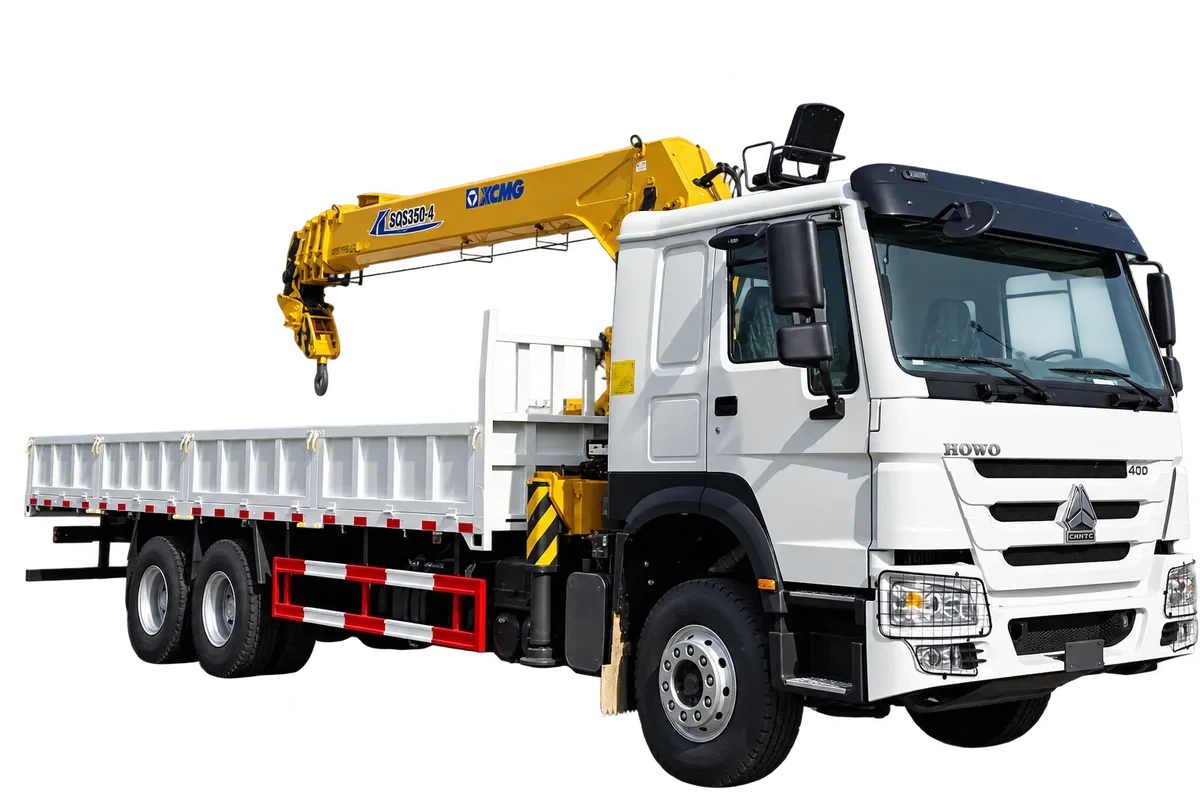
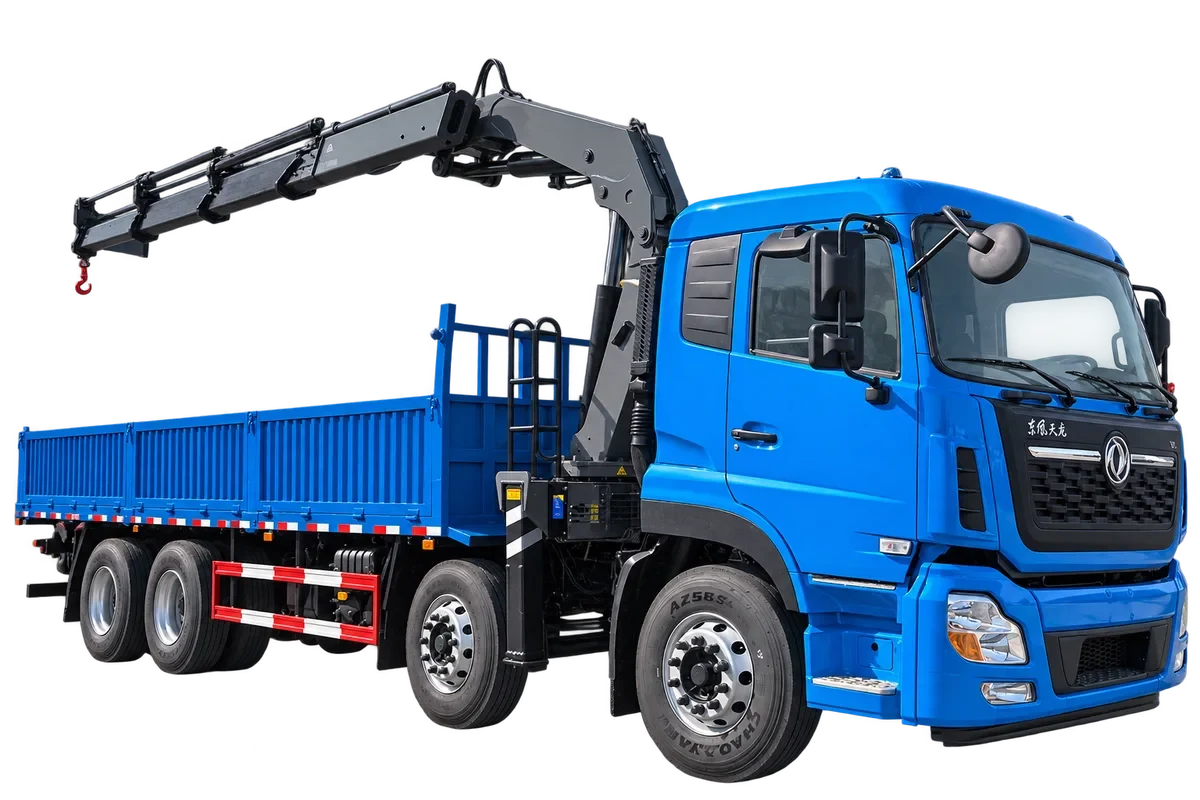
Start with what the truck must do. The crane type matters, but it does not replace a review of the load, working radius, site access and complete vehicle configuration.
First, describe the lifting task.
Record the item you need to lift, its weight and the distance between the crane and the load. Also describe the height and the route the load needs to follow.
A crane’s headline lifting capacity does not describe every operating position. Ask to review the load chart for the selected crane at your required radius and configuration.
Then consider the available space.
A straight-boom crane extends a telescopic boom. A folding-boom crane uses an articulated arrangement. Compare how the selected configuration can reach the load and how it is stowed on the vehicle.
Look at overhead obstructions, the loading area and the space available for stabilizers. Suitability depends on the actual crane and operating conditions, not the category name alone.
Bring a site photo.
A clear photograph or short video can make access restrictions, obstructions and loading positions easier to discuss.
Review the whole vehicle.
The chassis, crane installation and cargo body work together. Discuss the destination requirements, road conditions, usable cargo space, final vehicle dimensions and axle loads.
Attachments also need technical review. A grapple, basket or auger shown in a gallery is not evidence that it is suitable for every crane or every operation.
A short brief for your inquiry.
- Destination country and steering requirement
- Load type and weight
- Required working radius and lifting height
- Road conditions, site access and obstructions
- Cargo dimensions and loading method
- Attachments, inspection and service questions
It is fine if some details are not clear yet. Share what you know and identify the questions to resolve before selecting the final vehicle.
Explore crane-truck configurations ↗General selection guidance, not an operating manual or a model-specific technical recommendation. Confirm the selected crane’s documentation and safe operating requirements.